Westpac Future Leader Scholar Ms Caitlyn Knight explains why she studies flourishing
NCYSUR PhD student reflects upon meaning, connection and hope in substance use treatment
December 2025
Teaser image
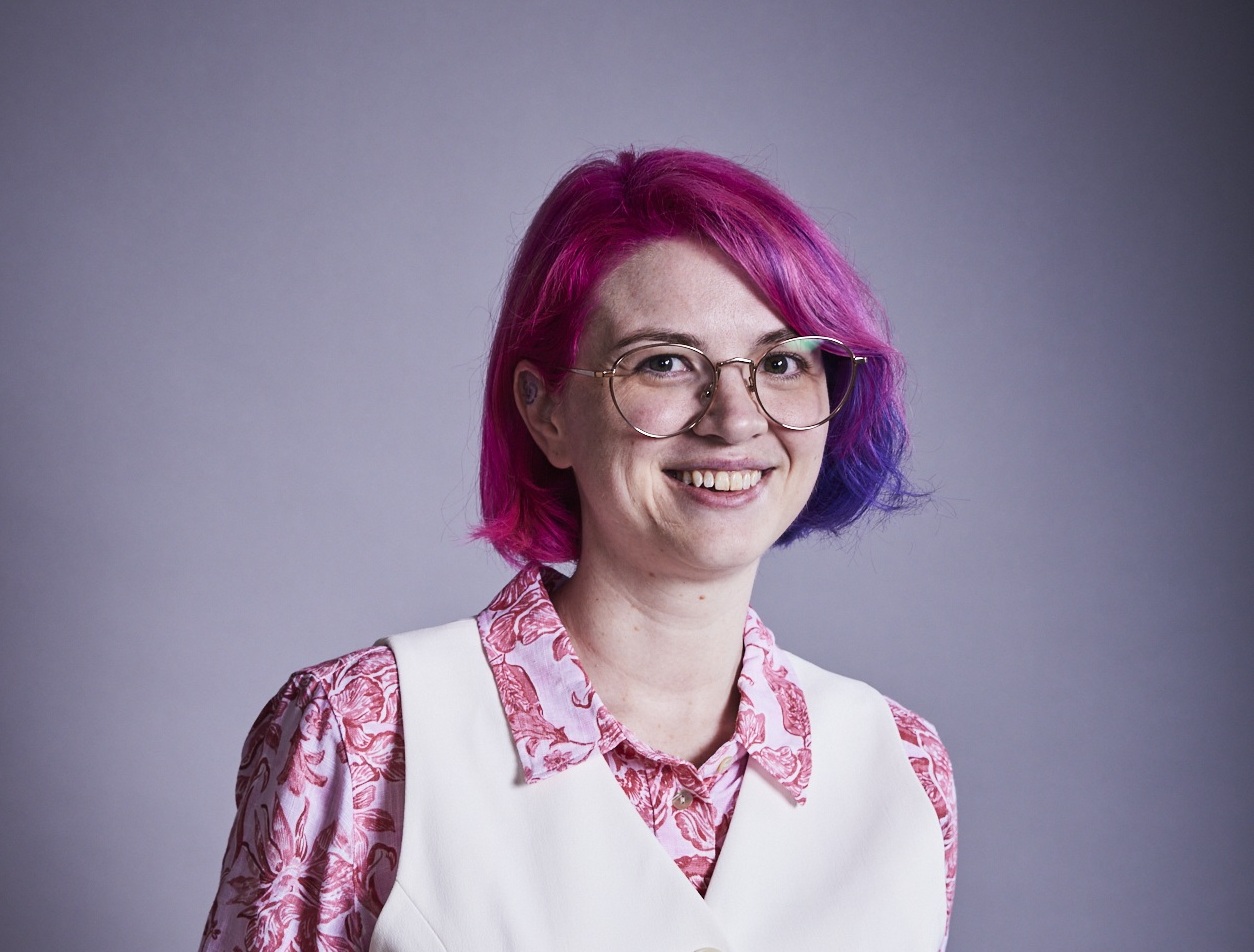
Why I Study Flourishing: From Finding Hope to Measuring It
From a moment of hope to a PhD focused on living well
I remember the first time I felt hope.
I’d spent most of my life doubtful of the point of living, and I did not think things could ever improve. I was a sick kid; I drew a rough hand with both my physical and mental health. I was in and out of the hospital with mysterious pains and symptoms that doctors couldn’t figure out.
While I was lucky enough to receive medical care, I felt like my attempts to explain the depth of my dissociation were falling on deaf ears. I would try to explain the fear, the emptiness, the constant feeling of isolation and numbness, but it never seemed to land. Not with professionals, not with friends, not with family. Eventually, I stopped trying. Then I discovered a way to quiet the pain.
I discovered drugs.
When I used, all my thoughts went away. It was like pressing pause on the mental noise. For a short time, I felt something close to happiness. Not just numbness, but a kind of blissful, empty joy. It starkly contrasted with the relentless, intrusive thoughts I lived with daily. Who wouldn’t choose that over a lifetime of confusion and pain? Using gave me a sense of relief that nothing else ever had.
By my late twenties, I was barely holding on. I remember the thoughts that played on repeat: I can’t cope, what’s the point, I’ve failed.
It was around then that I had an extreme reaction to a prescribed drug. It triggered an eight-hour panic attack, and I was advised to admit myself to a psychiatric hospital.
My first day at the hospital, I felt fraudulent and afraid. I remember sitting on the bed, feeling like I didn’t belong. I was asked to fill out the DASS, a questionnaire I’d never encountered before. As I answered the questions, I was struck by how accurately my experience was captured on paper. It was the first time I thought, 'maybe other people have felt this way, too.' This realisation brought a strange sense of comfort: I wasn't the first person to feel the way I did.
The next couple of weeks were unfamiliar, slow, and profoundly necessary. I was monitored and medicated. I went to mindfulness and meditation sessions. I started attending group classes in CBT and ACT. For the first time, I had a safe and supportive environment in which to explore my thoughts and feelings and hear that I wasn’t alone. That validation mattered more than I can describe. It didn’t fix things overnight, but it gave me something I hadn’t had before: space to try.
I kept showing up. I practised the skills, even when they felt awkward or pointless. Slowly, something shifted. One day, after about two weeks, I was sitting on a bench in the sun in the hospital courtyard, and for the first time in my life, I felt calm. Not numb, not distant, just calm. Present. At peace. And then, incredibly, I felt my first quiet moment of hope.
Terrifying, unfamiliar hope. I had never imagined my future before. I started to wonder what the next part of my life might look like. The idea that I could do something, study, work, and contribute was alien, but exciting. I left the hospital and enrolled in university to study psychology. I wanted to figure out what made it possible to find hope and see if I could bring the same success to others. It was the first time I moved toward something, instead of away from everything.
Today, as a PhD student, I’m researching how we define and measure success in substance use treatment. Traditionally, treatment outcomes have focused on abstinence or reduced use. However, these measures don’t always reflect whether someone is truly doing well. My work focuses on flourishing: What it means to live a good life, even while using. I’m exploring whether measures of wellbeing can offer a more meaningful understanding of recovery.
The goal of my PhD is to understand who benefits most from these broader measures of success, how we can track them, and why they matter. We need more space for honest, ongoing, and sometimes messy healing stories. Because when we define success more meaningfully, we create room for more people to find it.
It’s important to acknowledge that I have used drugs, and I’m someone who is flourishing. Too often, we sanitise the lived experience that drives us. We draw hard lines between use and recovery, when the reality is usually more complex. If we’re serious about reducing stigma and building systems that support people to thrive, that narrative needs to shift.
We need research that reflects the full spectrum of lived experience. Research that captures not just whether someone has stopped using, but whether they’ve started living. If our only measure of success is abstinence, we risk missing the people who are quietly rebuilding, reconnecting, and rediscovering themselves. People like me. My life didn’t change because I stopped using; it changed because I found support, safety, and the space to heal. It changed because I found meaning, connection, and hope. That’s why I am driven to do this work. Because flourishing matters. And it starts with hope.
NCYSUR PhD student Ms Caitlyn Knight is a 2025 Westpac Future Leaders Scholar.