NCYSUR Postdoc to lead “Digital Portrayals of Emerging Drugs and Substances on Social Media” project.
New visiting academic joins NCYSUR to study social media portrayals of emerging drugs
March 2026
Teaser image
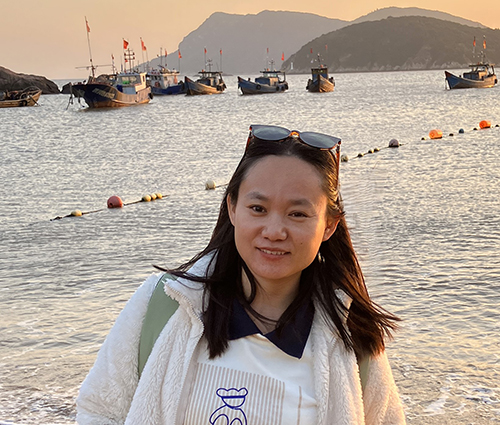
The National Centre for Youth Substance Use Research (NCYSUR) at The University of Queensland is pleased to welcome Dr Yingnan Zhou as a Visiting Postdoctoral Researcher for the coming year. Yingnan will work under the mentorship of Associate Professor Janni Leung, contributing to NCYSUR’s growing research on substance use, public health communication, and emerging drug trends.
Yingnan is currently a Postdoctoral Fellow at Wenzhou Medical University. Her research sits at the intersection of social psychology and public health, with a focus on how emerging drugs and substances are represented in digital environments and how these representations influence public perceptions and behaviours.
During her visit, Yingnan will lead a project titled “Digital Portrayals of Emerging Drugs and Substances on Social Media.” The project examines how new pharmaceutical products and nicotine-related substances are framed and discussed on major social media platforms. As social media increasingly shapes public understanding of health and risk, this work aims to provide timely insights into how online narratives may influence attitudes toward drug use, weight loss medications, and nicotine products.
One of the studies within the project investigates the portrayal of glucagon-like peptide-1 receptor agonists (GLP-1 RAs), including widely discussed medications such as Ozempic, on short-video platforms. While GLP-1 medications were originally developed to treat type 2 diabetes and obesity, they have recently gained attention online as so-called “miracle weight-loss drugs,” raising questions about how social media may shape perceptions of their benefits and risks. Through content analysis of TikTok and Douyin (the Chinese version of TikTok), the study examines how these drugs are portrayed in popular videos on the two platforms, including similarities and differences in source credibility (e.g., healthcare professionals, influencers, and GLP-1 users), content themes, and engagement metrics.
Another study focuses on the representation of nicotine pouches on social media, analysing both post content and user comments on Instagram and TikTok. Nicotine pouches are a relatively new nicotine product that has been promoted in some online spaces as a modern or “smoke-free” alternative to traditional tobacco products. Yingnan’s research explores how these products are discussed in social media posts, how users respond to them in comment sections, and how narratives around harm, lifestyle and identity circulate within these online communities.
Alongside her research, Yingnan will also contribute to NCYSUR’s MRFF funded “Unclouding the Future” project, an innovative initiative that uses artificial intelligence technologies to scale public health education and prevention efforts. The project aims to develop new ways of delivering evidence-based information about substance use to young people through digital platforms.
Yingnan is looking forward to collaborating with researchers at NCYSUR and contributing to the Centre’s work in understanding emerging substance use trends and digital health communication. Her visit also provides an opportunity to engage with innovative approaches, including AI-driven public health communication strategies.
Looking ahead, Yingnan hopes her visit will open up postdoctoral and long-term research pathways in Australia, where she aims to continue building collaborations and contributing to research that informs evidence-based substance use policy and health communication.