In recent months, there has been substantial media coverage of illicit alcohol available for purchase on the shelves of liquor retailers.
Illicit alcohol: an issue of market surveillance
June 2026
Teaser image
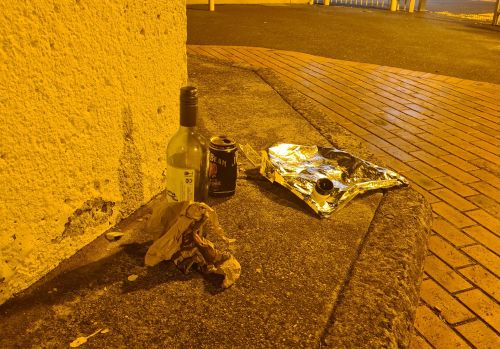
In recent months, there has been substantial media coverage of illicit alcohol available for purchase on the shelves of liquor retailers. Researchers have been able to locate illicit alcohol with ease and, from a small number of chemical tests, demonstrate that such products can contain compounds not fit for human consumption.
At this early stage, it is unclear what proportion of the illicit market contains such compounds. Much of the work that has been done to date is preliminary and has concentrated on the existence of the market and potential harms. It is too early to be able to reliably quantify the harms that may arise from this market. Research still needs to be conducted to determine how many of these products are being consumed and the additional health detriments faced by those consuming them. However, what is clear is that the presence of these products within our commercial market demonstrates an abject regulatory failure.
So who’s responsible?
It has been highlighted in media coverage that the exact authority responsible for this market is unclear. Many may expect this is the responsibility of the liquor regulator. However, in many states, they are responsible for regulating the licence holders (licensees), not the alcohol products themselves. Police have their own liquor enforcement units in each state. However, these operations tend to be aimed at regulating licensees’ behaviour rather than the products being sold. The health department in each state may have some responsibility, particularly in instances where products contain harmful contaminants as this represents a food safety issue, but health departments are the agency the least involved in the day-to-day operations of licensed venues and have no mechanism to detect such a market emerging.
Regardless of whose responsibility it is, the idea of enforcing this market within our current policy framework is untenable. Beyond taxation, there is no consistent mechanism for monitoring the flow of alcohol from importer/producer to wholesaler to retailer to consumer. As such illicit alcohol is free to enter the market at any point with few repercussions.
Sales data is the key
To effectively remove this illicit market in Australia from within its commercial one, we need:
- A nationally consistent strategy.
- A policy framework that allows for the monitoring of alcohol sales at each point, from producer to wholesaler to retailer to consumer.
- Random spot checks to ensure the validity of this data, with strong repercussions for failure to comply.
There are not enough resources available to effectively monitor every retailer that could be taking part in the illicit market, but targeted enforcement based on discrepancies in sales data will create an environment where enforcement is possible. Even if appropriate resources existed to regularly and routinely visit the thousands of retailers across Australia, establishing the illegitimacy of a product by the time it is on the shelf is near impossible without sales monitoring data, barring blatant error on the part of the manufacturer. Beyond this, sales monitoring carries a vast range of public health benefits, which have been discussed elsewhere.
This is not a unique solution, and Australia’s illicit market is not an entirely unique problem. Illicit alcohol markets are a current and historic issue in many countries. For example, Kenya is currently dealing with its own illicit market and an ethanol tracking system has been proposed as a viable solution. Historically, Russia has had a sizeable illicit market which it has effectively managed to reduce, partially attributable to the direct monitoring of ethanol at the source of product. The United Kingdom previously had physical duty stamps on their products to effectively combat the presence of illicit alcohol in their market. Indeed, industry has also proposed better sales monitoring as a step forward, both in response to the current media coverage, but also historically to ensure the authenticity of products within the market.
At its essence, this is a national issue that requires national coordination. How we monitor the sale of alcohol in Australia is decades out of date and could be considerably improved for the benefit of all. The ongoing federal inquiry into the health impacts of alcohol and other drugs in Australia is the perfect platform to initiate these changes.