The 2025 Queensland Young Tall Poppy of the Year is an epidemiologist working across substance use, addiction and mental health
Conversation with … Janni Leung
June 2026
Teaser image
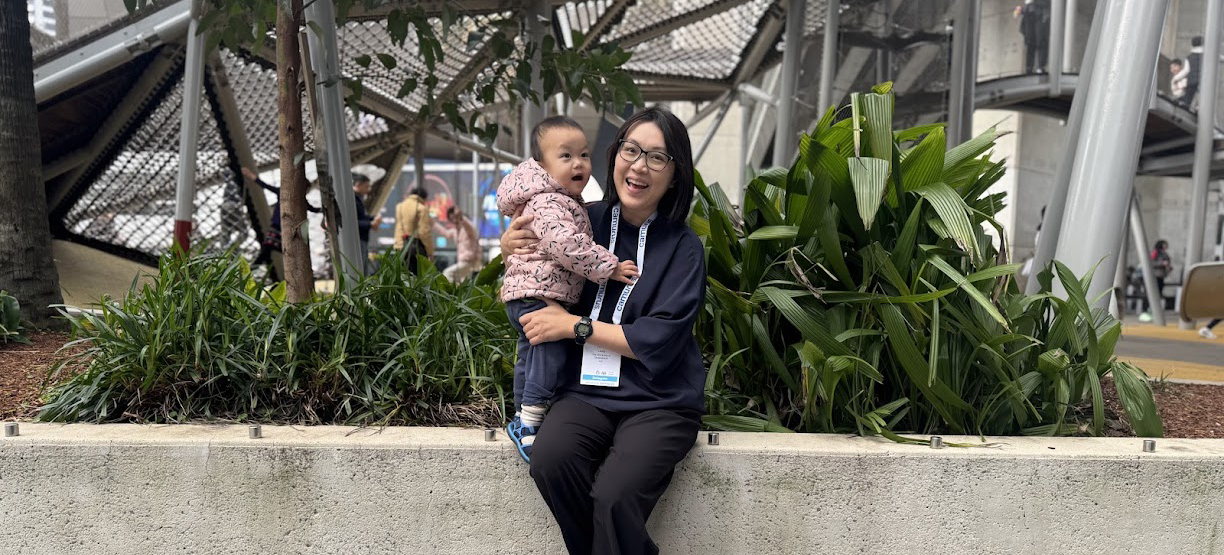
In each Connections, we ask someone from the alcohol and other drug sector to share a little about their work and life. Introducing NCYSUR Associate Professor Janni Leung, an NHMRC Emerging Leadership Research Fellow. Janni uses systematic reviews, meta-analyses, cross-sectional studies and longitudinal analyses to understand patterns of harm and inform prevention, policy and practice. Her work encompasses cannabis use, vaping and smoking, alcohol use, and video game addiction, and their impacts on the mental health of populations, particularly young people.
I was drawn to a career in public health because …
When I was a child, my mother often told me that when I grew up, I should do something useful and contribute positively to society. I did not really know what that meant at the time. Public health became the area where I felt I could do this through research, by producing evidence that can support better decisions for communities.
The public health problems I am most focused on are …
I am interested in health behaviours that are common, may change quickly, or can cause harms that are not always well understood. Substance use and addictive behaviours are shaped by many factors, including social norms, commercial interests, laws, policies and access to support. My work tries to increase our understanding of these issues and provide evidence that can help improve prevention and policy.
My approach to research is …
My work combines epidemiological methods and evidence synthesis. I use large datasets to examine trends, risk factors and long-term outcomes, and I use systematic reviews and meta-analyses to bring together findings from the wider literature. I try to produce research that is methodologically strong, but also useful outside academia.
The greatest reward of my academic career has been …
The most rewarding part has been working with good people and watching young researchers progress. Research is not something anyone does alone. I have been very lucky to work with generous colleagues, students and early-career researchers. Seeing junior researchers become more confident, develop their own ideas and start contributing to the field has been very meaningful.
A defining challenge in my academic journey was …
I took maternity leave in the middle of my NHMRC Emerging Leadership Fellowship, and coming back to work was harder than I expected. I often felt I was falling behind and becoming less competitive, especially because I no longer had the same freedom to work after hours. It made me think more about how academic careers are affected by different life stages, and how important it is to recognise different forms of contribution and leadership.
It helped me to rebuild my confidence returning from maternity leave when …
Being jointly named as Queensland 2025 Young Tall Poppy of the Year by the Australian Institute of Policy and Science for excellence in science research and communication across all fields was a great honour. I was also invited as a keynote speaker at several international conferences to share findings from my team’s work on the public health impacts of cannabis and legalisation. I feel very fortunate as I have been sandwiched between amazing people. On the one hand I received great opportunities and encouragement from leading mentors in the field including the NCYSUR Director, Deputy Director, Emeritus Professor, and Honorary Professors, and on the other hand have had the privilege to grow with our high-quality and idealistic junior colleagues and students, whose work made these achievements possible.
I believe that the academic culture that helps research thrive is …
Research thrives when different people, at different life stages, can contribute in meaningful ways. Academia benefits when it recognises not only grants and publications, but also mentorship, collaboration, leadership, communication and contribution to the wider community. To me, being inclusive means valuing the different ways people contribute across their careers and lives.
My goal for the next year is …
My goal is to continue building a rigorous research program in substance use, addiction and mental health that could benefit the whole population. I am working to strengthen my research collaborations with local communities as well as international research teams and the World Health Organization. I hope to support the next generation of researchers and produce evidence that can contribute to better public health policy and healthier communities.