NCYSUR Research Fellow Dr Tony Barnett will undertake an Australian Research Council Discovery Early Career Researcher Award funded project on psychedelic treatment for addiction
Dr Tony Barnett: DECRA project commencing in July 2025
March 2025
Teaser image
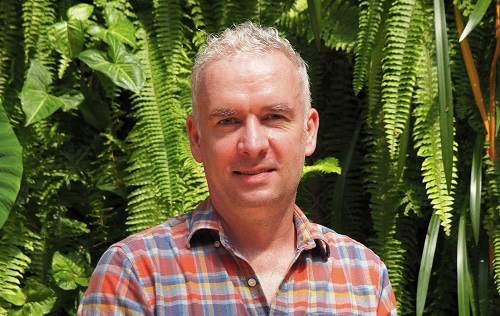
The National Centre for Youth Substance Use Research (NCYSUR) at The University of Queensland is excited to announce that Dr Tony Barnett will be commencing an ARC DECRA in July 2025. His project is entitled “The psychedelic revival in addiction research and practice: A social and policy analysis in Australia and the UK”.
While psychedelics remain illicit in Australia outside of medically prescribed use, Australia has become the global leader in translating psychedelic treatments to practice, with their rescheduling in 2023 by the Therapeutic Goods Administration. The rapid translation of psychedelics in Australia has caught many clinician experts by surprise, with many commentators arguing psychedelics have a low scientific evidence base for safety and efficacy. Offering an international comparison, psychedelics remain illicit substances in the UK, and have not been translated to practice given the UK’s varying policy stance on their therapeutic application. How these controversies and tensions surrounding psychedelics play out in Australia and the UK is unclear and Tony’s DECRA project aims to apply a critical lens to their translation.
The influence of different actors (e.g., policymakers; pharmaceutical companies; clinicians; consumer groups) on research and translation pathways remains hidden. Beyond the case of psychedelics, wider questions of what constitutes ‘evidence-based practice’ in policy and medicine are being challenged. To explore these problems, Tony’s DECRA offers an innovative policy and social analysis of psychedelics in addiction research and practice in Australia and the UK. Specifically, applying a critical lens to the experience of youth, the project aims to: (1) explore how psychedelics are framed in drug policy for the treatment of addiction; (2) explore consumers, researchers, and policymakers’ perspectives on psychedelics; and, (3) explore how psychedelics might be implemented within addiction policy and practice in the future.
The project will aim to shape the future translation of psychedelics to practice in a responsible way where consumers and experts are consulted about their preferences for translation within policy and practice. Realising the potential of psychedelic treatments will depend upon close ethical scrutiny and enhanced public understanding of the risks and benefits for individuals and groups within the large cohort of Australians, including young people, affected by problems with alcohol and other drugs.
Regarding the project, Tony explained: “It’s a fantastic opportunity to work with a world-leading multi-disciplinary team here at NCYSUR to critically explore the translation of psychedelics for the treatment of substance use disorders. The University of Queensland offers the perfect environment to pursue this topic and I’m privileged to work with colleagues from varied backgrounds, who are leaders in their fields, and to also contribute to the wider success of The Centre. I am looking forward to commencing the DECRA in July 2025. There are a few phases to the project, including a policy analysis and also qualitative interviews with stakeholders across Australia and the UK. Further, I will also try for some creative, public-facing engagement opportunities in order to communicate the findings of the project.” There will also be a range of opportunities associated with the project including a PhD scholarship opportunity that will be advertised in the near future at NCYSUR.