A research exchange in Japan has strengthened collaboration on substance use and harm reduction, uncovering shared challenges and opportunities.
Building bridges across countries: Australia and Japan unite on substance use research
September 2026
Teaser image
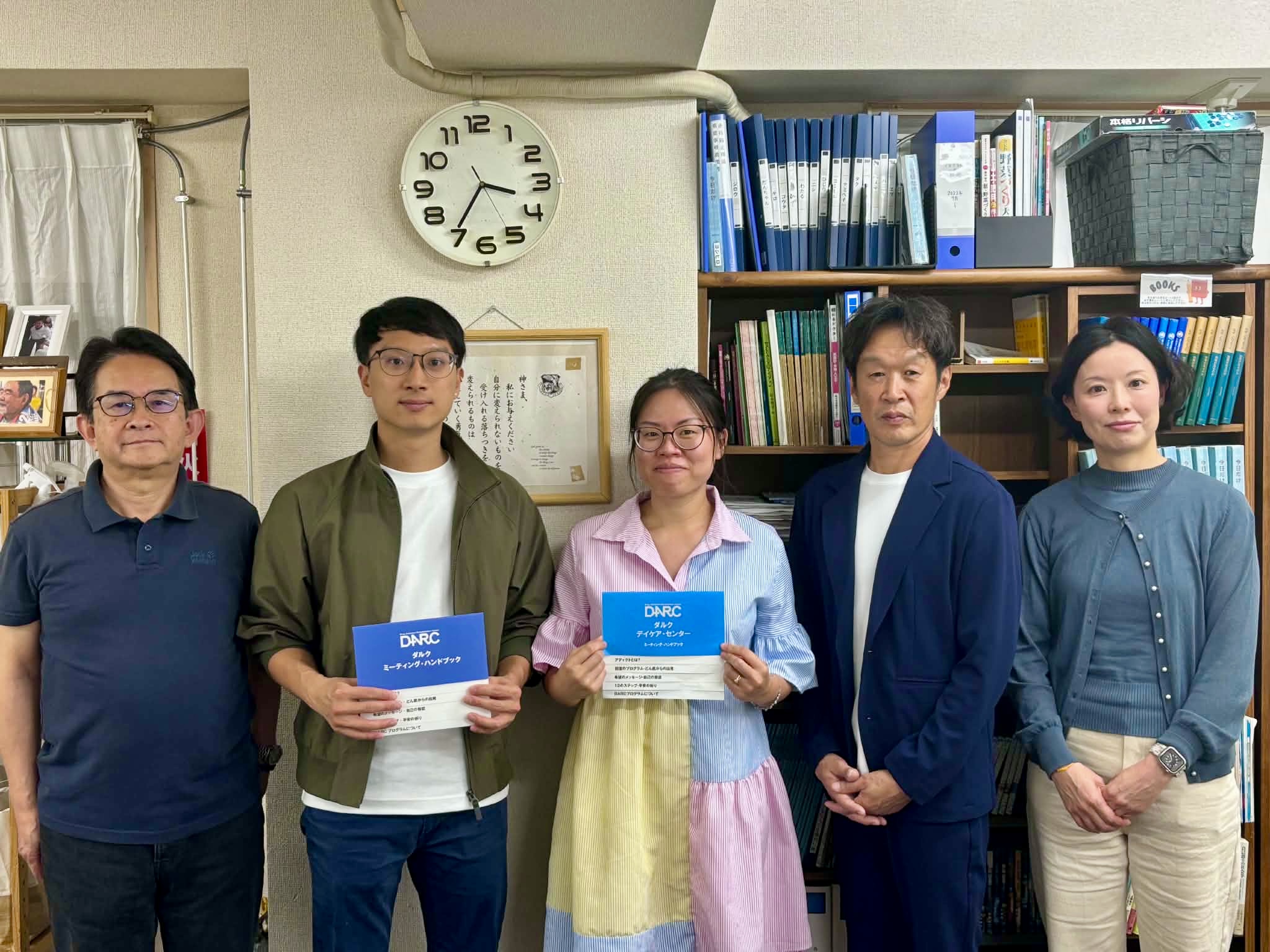
NCYSUR PhD Dr Jack Chung travelled to Japan for the latest in a series of research exhanges on substance use and harm reduction
As previously reported in the March, September and December 2025 editions of Connections, a bilateral initiative between Australia and Japan, funded through the UQ 2025 Global Partnerships Scheme, is bringing researchers together to better understand substance use and harm reduction across different policy settings.
In June 2026, an Australian delegation led by NCYSUR NHMRC Emerging Leadership Fellow Dr Carmen Lim, and Dr Jack Chung travelled to Japan for a week-long research exchange, visiting leading universities, clinical services and community-based recovery organisations. The visit provided an opportunity to share Australian expertise, learn from Japanese researchers and practitioners, and progress the Asia-Pacific Substance Use Survey (APSUS) — a multinational survey examining substance use, harm reduction knowledge, attitudes and behaviours.
The exchange began with the University of Tokyo’s Department of Mental Health and Psychiatric Nursing, hosted by A/Prof Yuki Miyamoto and her research team. When Typhoon Jangmi forced the planned in-person meeting online, the discussion continued, with the UQ team presenting Australia’s harm reduction policies and drug trends and exploring opportunities for future collaboration.
At the National Centre of Neurology and Psychiatry (NCNP), researchers shared their work on recovery outcomes among people who use drugs, as well as innovative research using wearable devices to examine cardiovascular responses associated with methamphetamine use. Discussions also focused on APSUS, and the ethical considerations involved in conducting cross-national research.
The delegation then visited the Institute of Science Tokyo, where the UQ team presented Australian harm reduction research and policy to the Department of Nursing. The discussion highlighted the differences between Australia’s public health-oriented approach and Japan’s predominantly prohibition-based drug policy. For many attendees, harm reduction was a relatively new concept, demonstrating the importance of creating opportunities for international knowledge exchange.
A particularly valuable part of the visit was observing the Serigaya Methamphetamine Relapse Prevention Program (SMARPP) at NCNP. Established in 2006, SMARPP uses cognitive behavioural therapy-based resources and group discussion to support people working towards recovery. The program is covered by Japan’s national health insurance system, providing access to ongoing relapse prevention support.
The delegation also travelled to Hachioji to visit Drug Addition Rehabilitation Centre (DARC), a community-based recovery facility supporting recovery from drug dependence and social reintegration. Centre Director Mr Kato, who has lived experience of drug use, shared DARC’s history and peer-led philosophy. The team also observed a Narcotics Anonymous meeting, gaining first-hand insight into the importance of peer support and lived experience in long-term recovery.
The final stop was Kitasato University’s Department of Psychiatry, where the UQ team presented its harm reduction research and Dr Reina Demizu discussed alcohol-related issues in Japan. Discussions focused on progressing APSUS, including recruitment and implementation in Japan, before a tour of the hospital’s inpatient psychiatric unit.
By bringing researchers and practitioners together across countries, this exchange has shown how shared challenges can turn into opportunities for collaboration. The insights gained will inform the development of APSUS and strengthen the foundation for future comparative research, harm reduction knowledge exchange and skills building. More importantly, the visit demonstrated how international partnerships can challenge stigma, broaden perspectives and contribute to more informed, compassionate approaches to substance use and harm reduction across the Asia-Pacific region.