NCYSUR research fellow Dr Jacob Sorbello discusses this nuanced alcohol and drug consuming behaviour which increases the risk of harm experienced by young people.
What is preloading?
September 2026
Teaser image
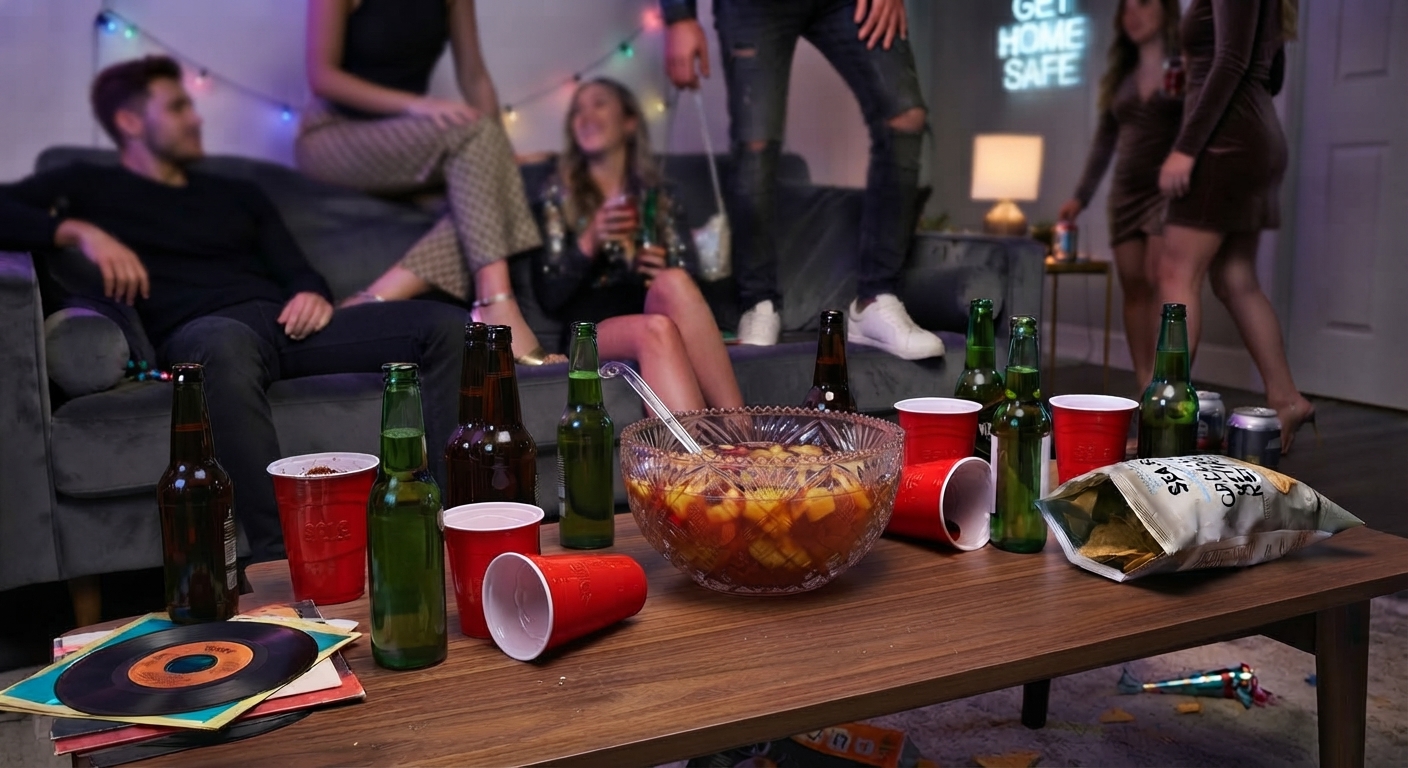
Many people enjoy drinking alcohol or using recreational drugs before a night out. This behaviour, known as preloading, is defined as the use of alcohol and or drugs prior to a target event (e.g., going to a bar/pub, nightclub or event) where further alcohol and drugs may be consumed [1]. In Australia, the behaviour is sometimes referred to as ‘pres’ or predrinking. While in other cultures it may be known as pregaming (United States and New Zealand), prepartying (Europe) or front-loading (UK).
In the past, young people often began a night out consuming alcohol at a pub or bar, before transitioning to a night-club or another venue [2]. In the late 2000s, researchers noticed a shift in drinking practices among young people occurring at private residences first, before transitioning to pubs/bars and nightclubs. Individuals who preloaded at home were four times more likely to consume 20 + units of alcohol and twice more likely to be involved in alcohol-related assaults than those who did not engage in preloading [3]. These experiences of harm were not limited to assaults. Further research found preloading was associated with greater occurrences of victimisation, risky sexual practices and ‘blacking out’ [4.5,6].
Greater concern and scrutiny on preloading led to an inevitable question – why are young people engaging in preloading? In general, young people often report preloading to 1) save money for their night-out and 2) socialise with friends before the target event [7,8]. These motivations developed due to the removal of drink promotions in venues - along with the increased pricing of alcoholic beverages - and environmental changes occurring in bars and clubs, creating less enjoyable spaces for young people. However, young people also report preloading for fun and enjoyment, while others preload to increase their confidence or manage negative moods.
In developing a theoretical understanding of preloading, my colleague and I conceptualised a theory to explain how and why preloading behaviours occur (The Theory of Preloading) [9]. Preloading occurs because individuals desire to manage how they think they would feel before a target-event. Going to a bar or night-club without a sufficient level of intoxication may cost more financially, feel less safe or lead to a less enjoyable night out. Preloading serves as a preparation phase based on how one anticipates the night out will proceed.
From over 20 years of research, the literature has identified preloading as a conceptually nuanced alcohol and drug consuming behaviour increasing the risk of harm experienced by young people. Despite a strong research interest, interventions have often been unsuccessful or limited in reducing preloading [10] and more research is needed in this area. To reduce the harm associated with preloading, we need to ‘zoom in’ on these particular behaviours. Targeting preloading behaviours may serve as our best efforts to reducing binge drinking and harmful drug use in young people, leading to a safe and fun night out for all.
References:
- Hughes LRJ, Devilly GJ. A proposal for a taxonomy of pre-loading. Substance Use & Misuse 2021; 56: 416-23. https://doi.org/10.1080/10826084.2020.1869261.
- Barton A, Husk K. “I don’t really like the pub […]”: reflections on young people and pre-loading alcohol. Drugs and Alcohol Today 2014; 14: 58-66. https://doi.org/10.1108/dat-12-2013-0055.
- Hughes K, Anderson Z, Morleo M, Bellis MA. Alcohol, nightlife and violence: the relative contributions of drinking before and during nights out to negative health and criminal justice outcomes. Addiction 2008; 103: 60-5. https://doi.org/10.1111/j.1360-0443.2007.02030.x.
- Devilly GJ, Allen C, Brown K. SmartStart: results of a large point of entry study into preloading alcohol and associated behaviours. International Journal on Drug Policy 2017; 43: 130-9. https://doi.org/10.1016/j.drugpo.2017.02.013.
- Smit K, Kuntsche E, Anderson-Luxford D, Labhart F. Fun/intoxication pre-drinking motives lead indirectly to more alcohol-related consequences via increased alcohol consumption on a given night. Addictive Behaviors 2021; 114: 106749. https://doi.org/10.1016/j.addbeh.2020.106749.
- Sorbello JG, Devilly GJ, Allen C. Hope for the best, prepare for the worst: examining the preloading motivations associated with alcohol use and past harms during a night-out. Drugs: Education, Prevention and Policy 2024; 31: 82-90. https://doi.org/10.1080/09687637.2022.2118032.
- Labhart F, Kuntsche E. Development and validation of the predrinking motives questionnaire. Journal of Applied Social Psychology 2017; 47: 136-47. https://doi.org/https://doi.org/10.1111/jasp.12419.
- Sorbello JG, Devilly GJ. Drink for drink: measurement of preloading motivations for field and survey research with correlates of alcohol related harms. Current Psychology 2023; 42: 25417-30. https://doi.org/10.1007/s12144-022-03579-w
- Sorbello JG, Devilly GJ. The theory of preloading: a cognitive-behavioural motivational model. Harm Reduction Journal 2024; 21: 226. https://doi.org/10.1186/s12954-024-01122-7..
- Pedersen ER, Hummer JF, Davis JP, Fitzke RE, Christie NC, Witkiewitz K, Clapp JD. A mobile-based pregaming drinking prevention intervention for college students: study protocol for a randomized controlled trial. Addiction Science & Clinical Practice 2022; 17: 31. https://doi.org/10.1186/s13722-022-00314-5.
Dr Jacob Sorbello is a clinical psychologist and research fellow in the School of Psychology at the University of Queensland. Jacob works on projects under the Meaningful Outcomes in Substance use Treatments Centre of Research Excellence (MO-CRE) and the National Centre for Youth Substance use Research (NCYSUR). Find out more about Jacob's research here.