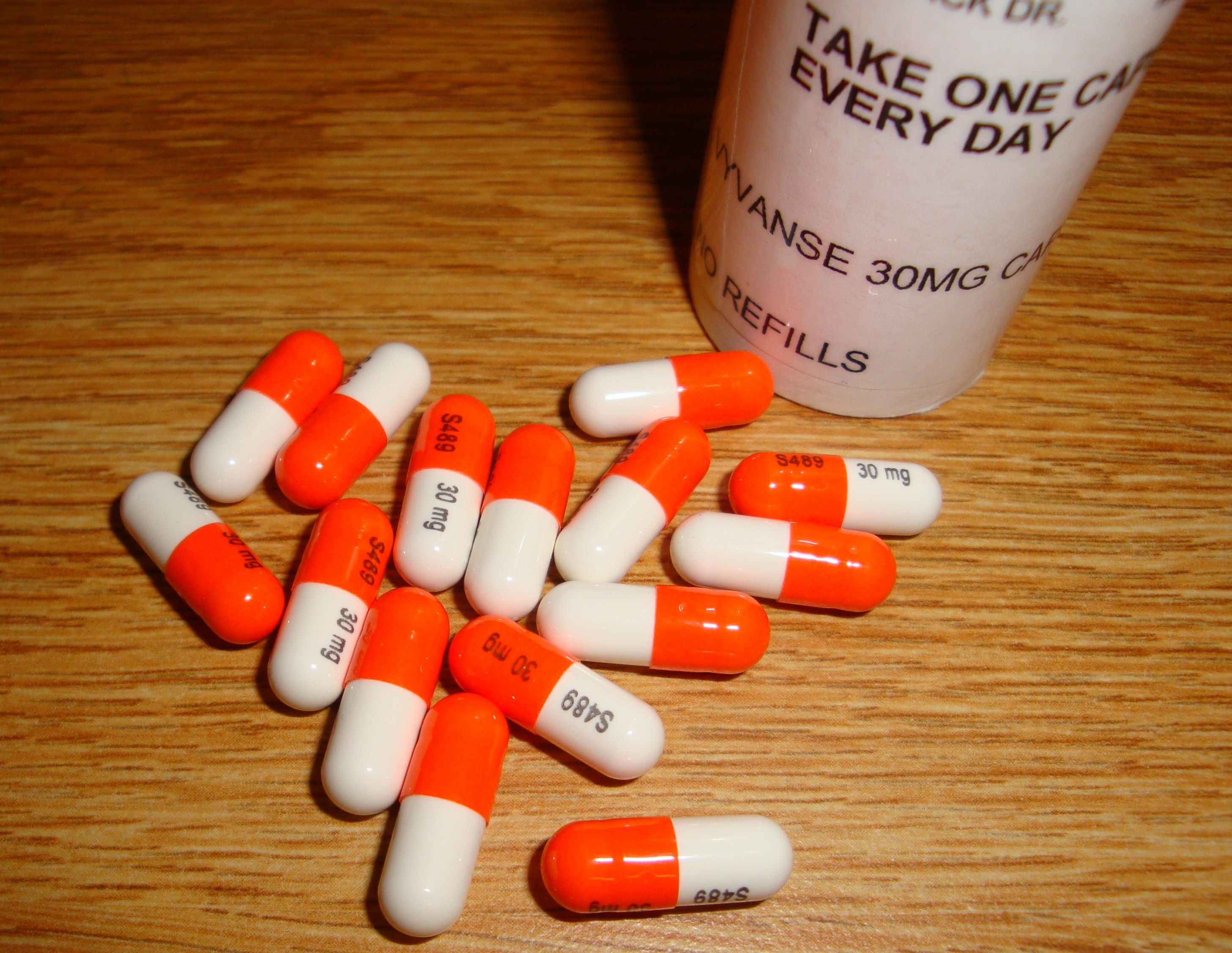
This new project aims to examine the safety and efficacy of lisdexamfetamine in the treatment of adults with severe methamphetamine (MA) dependence.
The study is the first controlled trial of maintenance lisdexamfetamine for the treatment of severe methamphetamine dependence, with major clinical and public health implications.
Background: Australia has one of the highest rates of MA use in the world, with evidence of increasing harms such as emergency department presentations and hospital admissions. Existing treatments for MA users rely on psychosocial treatments, however these are of only modest effectiveness, particularly in heavy users of MA. The need to develop safe and effective medications is well recognised, and research to date suggests substitution agonist therapies (as for nicotine and opioid dependence) are most promising for those with severe addiction.
Lisdexamfetamine is a prodrug of dexamphetamine (converted to dexamphetamine in the body after oral dosing) with lower abuse potential (misuse and diversion) than other stimulants. It is an exciting novel medication for treating this patient group, building upon favourable findings of previous pilot studies of dexamphetamine substitution treatment.
Study design: A 4 year multisite (Sydney, Newcastle, Adelaide) double blind placebo controlled randomised controlled trial to be conducted in Australia's only specialist stimulant clinics. Eligible consenting adults (severe MA dependent users who have not previously responded to conventional treatment) will be randomised to 14 weeks of lisdexamfetamine or placebo in addition to counselling and case management. Participants will be followed up 8 weeks after the medication phase. Primary outcome is illicit MA use during the medication phase (self-report and objective urine drug screens). Secondary outcomes include adverse events, abuse liability, physical and mental health, other substance use, cognitive performance, psychosocial functioning, treatment retention and satisfaction.